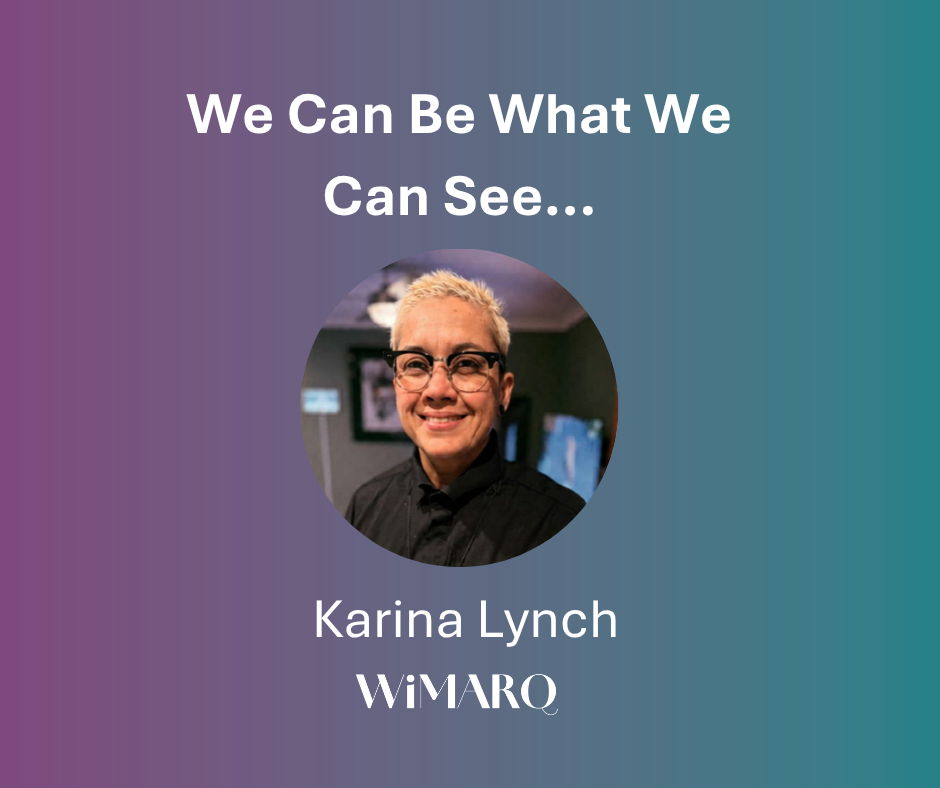

We Can Be What We Can See: Karina Lynch
Challenging perceptions and creating pathways for the next generation
A pathway shaped by family and opportunity
For Karina Lynch, mining has always been connected to family.
Growing up surrounded by relatives who had built careers in the industry, she saw the opportunities resources could provide, particularly for people from communities where those opportunities were not always readily available.
The appeal of a good income, extended time off and a lifestyle beyond the traditional Monday-to-Friday routine initially drew her into mining.
Before becoming a mother, rostered work offered the freedom to travel, spend time with friends and enjoy life outside work.
But parenthood brought a different perspective.
Karina recalls arriving home exhausted after a long swing, only to find herself immediately helping with homework, cooking butter pasta and stepping straight back into “momma mode.”
“It was a reminder that while mining can be rewarding yet demanding, our families don’t pause while we’re at work.”
Balancing work and raising her two daughters has not always been easy.
“I have missed birthdays, school events and important family moments. But rostered work has also provided opportunities to attend school assemblies, enjoy school holidays together and be present during the week when my daughters needed me”
These experiences have taught me resilience, prioritisation and the importance of a strong support network makes a difference”
They have also shaped her commitment for supporting Indigenous women through her role as Co-chair of Indigenous Women In Mining and Resources Australia (IWIMRA) in helping Indigenous women recognise that success can take many forms.
“You can build a meaningful career, be a present parent, support your community, and still create a life that reflects your values.”

From the driver’s seat to leadership
Karina’s journey into leadership was not one she initially imagined for herself.
Early in her mining career, she was content working as a haul truck operator.
Naturally introverted, she preferred to stay out of the spotlight, avoid crew politics and focus on doing her job well.
“Leadership was not something I was actively pursuing but that changed when someone recognised my potential. It was actually a non-Indigenous, middle-aged male leader who saw something in me that I couldn’t see in myself.”
“He encouraged me to step outside of my comfort zone, challenged me to think bigger and advocated for me in leadership opportunities”
His support became an important turning point.
“He saw potential beyond the quiet operator who kept her head down and got on with the job.”
Today, with more than 16 years of experience in mining, Karina is a Production Superintendent at BHP and Co-Chair of IWIMRA.
Her journey has reinforced the importance of recognising capability beyond traditional expectations and gender and creating opportunities for people who may not yet see their own potential.
“True allyship isn’t about speaking for people. It’s about opening doors, backing people, and giving them the confidence to walk through those doors themselves.”
Challenging assumptions and redefining leadership
As a proud Aboriginal woman who is also gay, Karina understands the crossroads where intersectionality meets, what it means to navigate an industry where people who look like her have not always been the norm.
“Throughout my career, I have encountered assumptions about my identity, gender, appearance and capability but that hasn’t stopped me. I see this as opportunity to drive change where I can in meaningful ways”.
Describing herself with humour as “vertically challenged,” she reflects on times when people have underestimated her because of her size or their preconceived ideas of what leadership should look like.
“I’ve lost count of the number of times people have said to me, ‘Oh, you don’t look Aboriginal. I thought you were Polynesian.'”
While often not intended to offend, these comments highlight how assumptions about identity continue to influence perceptions.
For Karina, they also create opportunities to challenge stereotypes and build greater understanding.
“Aboriginality isn’t defined by appearance, it’s defined by culture, connection, community, and identity.”
Rather than allowing these experiences to hold her back, Karina has drawn on them to develop resilience, empathy and a stronger commitment to creating opportunities for others.
“They have also shaped my understanding that diversity cannot be reduced to labels or expectations. Every person’s experience is unique, and those differences contribute to stronger workplaces and communities”.

Creating conversations that matter
Karina believes meaningful progress in diversity, equity, inclusion and belonging (DEIB) requires more than policies and compliance training.
It begins with genuine conversations.
“We bridge the divide by creating opportunities for genuine conversation, not just compliance training. We need environments where people can ask questions, share experiences and learn from one another without fear of judgement”.
One misconception she is particularly passionate about challenging is the belief that diversity and inclusion involve lowering standards or providing opportunities that have not been earned.
“DEIB is about removing barriers so everyone has a fair chance to contribute and succeed. It’s about widening the talent pool, providing equitable opportunities for everyone, not lowering the bar.”
For Karina, sharing lived experiences is central to breaking down those misconceptions.
Hearing firsthand what it means to navigate the workplace as an Indigenous person, a woman in mining or a working parent can challenge assumptions and create greater understanding.
“I believe curiosity, compassion and courage are essential to that process. Real change happens when we listen to understand, rather than listening to respond.”
Inclusion beyond policies
Throughout her career, Karina has often found herself in spaces where she was the only woman, the only Aboriginal and gay person.
Those experiences have shaped her understanding of what meaningful representation, inclusion and belonging looks like.
“DEIB thought leadership, to me, is about having the courage to challenge perceptions, share lived experiences, and create opportunities for others to succeed.”
She believes uncomfortable conversations can become opportunities for education rather than division.
“It is not simply about recognising diversity, but creating workplaces where people feel respected and valued for who they are. Real inclusion and belonging doesn’t happen through policies alone.”
“It requires leaders who are prepared to listen to lived experiences, challenge assumptions and recognise the value of different perspectives”
For Karina, this also means moving beyond symbolic gestures and creating environments where people feel comfortable contributing as themselves.
“It’s not about ticking boxes. It’s about creating environments where people feel seen, valued, and empowered to bring their whole selves to work.”
The influence of mentorship and advocacy
Karina’s own experience of being encouraged into leadership has shaped how she now supports others.
The mentor who recognised her potential came from a very different background, reinforcing her belief that meaningful allyship is not defined by shared identity or experience.
“Some of the most influential people in my career have been those who looked and lived very differently to me. His encouragement helped me develop the confidence to pursue opportunities I had not previously considered”
Today, Karina carries those lessons into her role as a Production Superintendent at BHP and her advocacy through IWIMRA.
She is dedicated in recognising potential in others, particularly those who may lack confidence or feel that leadership is beyond their reach.
“For me inclusion means ensuring people are assessed on their capability rather than labels and assumptions about their gender, age, and background. It also means helping others find the confidence to create their own pathways”
“My leadership philosophy reflects the support I received: recognise potential, open doors and give people the opportunity to succeed”.
Creating a future where belonging is unquestioned
While Karina’s career has shaped her approach to leadership and advocacy, her greatest motivation is her two daughters.
Describing them affectionately as incredibly strong-willed, Karina wants them to grow up proud of who they are, proud to be female and proud of their culture.
I want my daughters to feel confident pursuing any opportunity that comes their way. I don’t want them to be intimidated by the ‘big bad wolf,’ whether that’s bias, stereotypes, self-doubt, or people telling them what they can and can’t achieve.”
“My experiences have reinforced my determination to create a future where the next generation does not feel constrained by expectations or assumptions about who they should be”
For Karina, the goal is not simply to help people overcome barriers.
It is to help create workplaces and communities where those barriers no longer determine someone’s opportunities.
“If DEIB thought leadership means anything to me, it’s about making sure the next generation walks into workplaces and communities where they don’t have to spend their energy proving they belong. They already know they do.”
That aspiration extends beyond her daughters to the Indigenous women, emerging professionals and future leaders she hopes to support.

We can be what we can see
Karina’s story is a reminder that leadership does not have to follow a traditional pathway or fit a particular image.
From a haul truck operator who preferred to stay out of the spotlight to a Production Superintendent and advocate for Indigenous women, her journey demonstrates the power of recognising potential and creating opportunities.
Her experiences as an Aboriginal woman, a gay woman, a mother and a leader have shaped her resilience, empathy and commitment to challenging assumptions.
They have also reinforced her belief that genuine inclusion is not about fitting people into established expectations or assigning labels.
“It is about recognising their capabilities and helping create environments where they can contribute, progress and succeed”
For Karina, the future she hopes to build is one where her daughters and the generations that follow feel proud of who they are and confident in the opportunities available to them.
“You don’t have to fit someone’s idea of what a leader looks like to be one.”
Her journey demonstrates how the encouragement of one person can help someone recognise their own potential, and how that experience can inspire them to create opportunities for others.
“Sometimes the most powerful thing you can do is show up as your authentic self and create a path for others to do the same.”