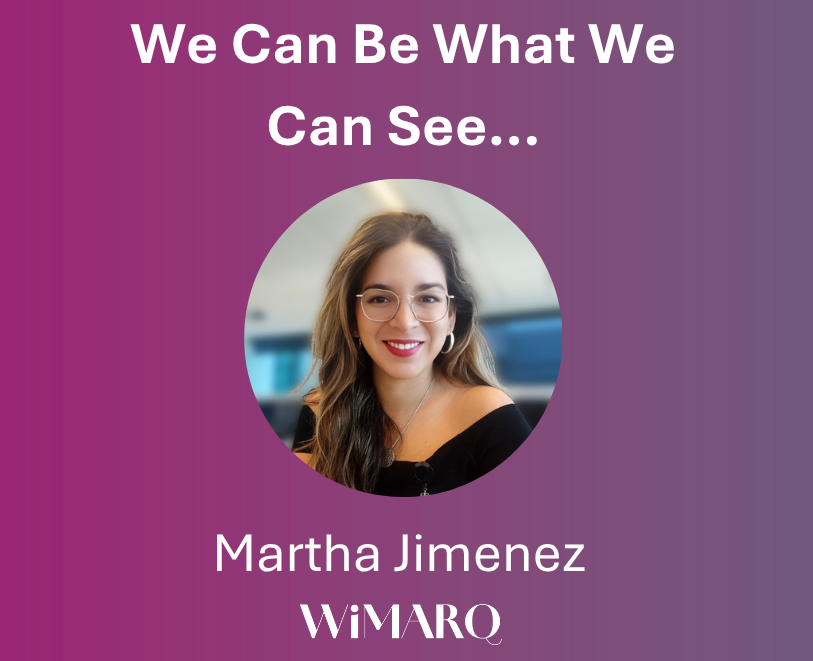
From Lima to the resources sector – and the systems that shape who stays
Martha Jimenez did not set out to build a career in mining.
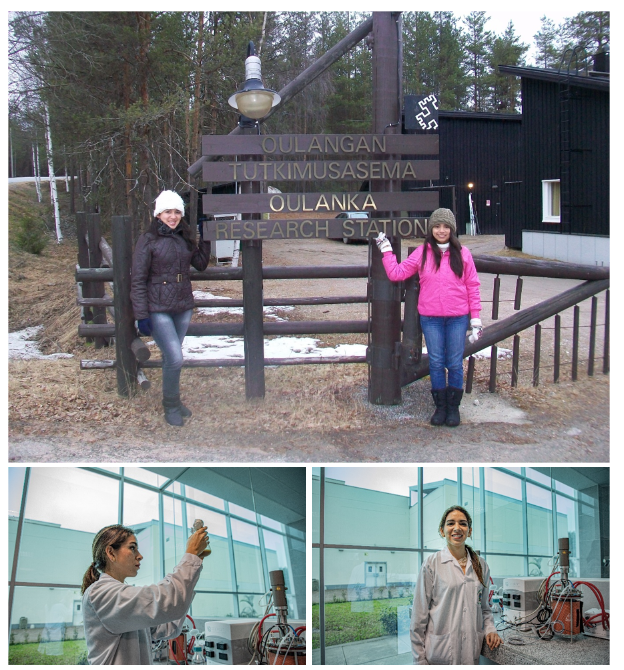
She began as a biologist in Lima, Peru, working in laboratory environments with a clear and traditional scientific pathway ahead of her. A short exchange program in Finland introduced her to environmental management through a course she selected almost on instinct. That decision redirected her into the mining and resources sector.
“My path into mining was not a straight line — it was shaped by curiosity, opportunity and a willingness to follow what surprised me.”
She reflects that the move was not part of a defined plan. However, once exposed to the industry, she recognised both its complexity and its potential, and made a deliberate choice to stay.
“I didn’t plan to become a mining professional. But once I found myself in that world, I recognised something I wanted to be part of — and I chose to stay.”
Her pathway is not unusual in one sense. Many careers in this sector are shaped by unexpected entry points. What is less often examined is how access to those entry points occurs, and who is positioned to take them.
Rebuilding a career in a new context
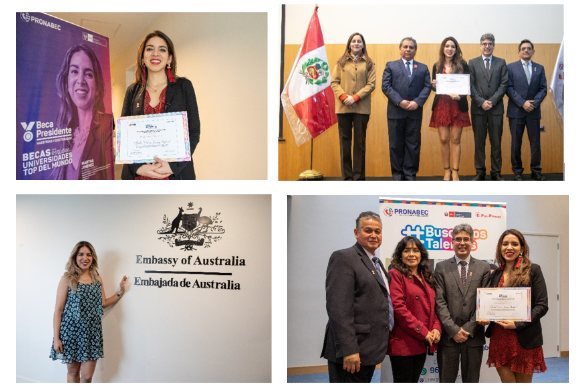
A scholarship to undertake a Master of Environmental Management at The University of Queensland brought Martha to Australia and introduced a new phase of her career.
Re-establishing professional footing in a new country required more than technical capability. It involved navigating unfamiliar workplace norms, building credibility in new environments, and adapting to different expectations of communication and leadership.
She describes periods of self-doubt, particularly in technical and leadership discussions where representation was limited.
“As a migrant woman in mining, I have navigated cultural adaptation, imposter syndrome and the pressure of constantly proving my competence.”
There was an ongoing sense of needing to demonstrate capability before being fully trusted.
“There were moments where I questioned whether I truly belonged in the room — especially in technical discussions or leadership spaces where representation was limited.”
This experience is not defined by a single factor. It sits at the intersection of migration, gender, professional background and industry context. Each element contributes to how individuals experience the workplace, and how they are perceived within it.
The cumulative effect of unseen pressures
Martha speaks openly about imposter syndrome and the pressure of constantly proving competence. She also reflects on periods of burnout and mental exhaustion, noting that high performance can often mask internal strain.
“I have also experienced periods of burnout and mental exhaustion. High performance can sometimes mask internal struggle.”
These experiences are frequently treated as individual challenges. In practice, they are influenced by the environments in which people operate.
Additional cognitive load, whether through self-monitoring, over-preparation or navigating unspoken expectations, affects how individuals participate and perform. Over time, this can influence retention, progression and willingness to step into leadership roles.
She points to a shift in her own approach as a turning point.
“Learning to recognise when I needed support was a significant personal turning point — one that ultimately made me a stronger professional and a more empathetic leader.”
Psychosocial safety in practice
For Martha, psychosocial safety is defined by the ability to contribute without hesitation.
“Psychosocial safety means being able to contribute ideas, ask questions, and challenge decisions without fear of being dismissed or judged.”
It is the confidence to engage fully, without the need to overcompensate in order to be taken seriously.
“It means not having to over-prepare simply to feel credible, and not feeling that one mistake will define your entire professional identity.”
She also highlights an additional layer for diverse professionals.
“For diverse and migrant professionals, psychosocial safety also means not feeling pressure to hide parts of your identity. It means your background is seen as an asset.”
She has experienced environments where this standard was met, and notes the difference it makes.
“The difference it makes to your performance and sense of belonging is profound.”
Inclusion as part of how the industry operates
Martha is clear that inclusive environments are not created through intent alone.
“Creating inclusive workplaces requires structural commitment, not just good intentions.”
They are shaped through consistent leadership behaviour, clear expectations, and systems that reinforce accountability. She highlights the importance of mentorship, sponsorship and visible pathways into leadership as mechanisms that support progression.
She also points to the role of measurement.
“Inclusion should be measured as rigorously as production or safety performance. What gets measured gets prioritised.”
The mining and resources sector has a strong foundation in structured thinking, risk management and long-term planning. Applying these same principles to inclusion would shift it from a peripheral consideration to an embedded part of operations.
“True progress happens when inclusion becomes part of operational excellence, not a separate initiative sitting at the margins of strategy.”
The role of visibility and community
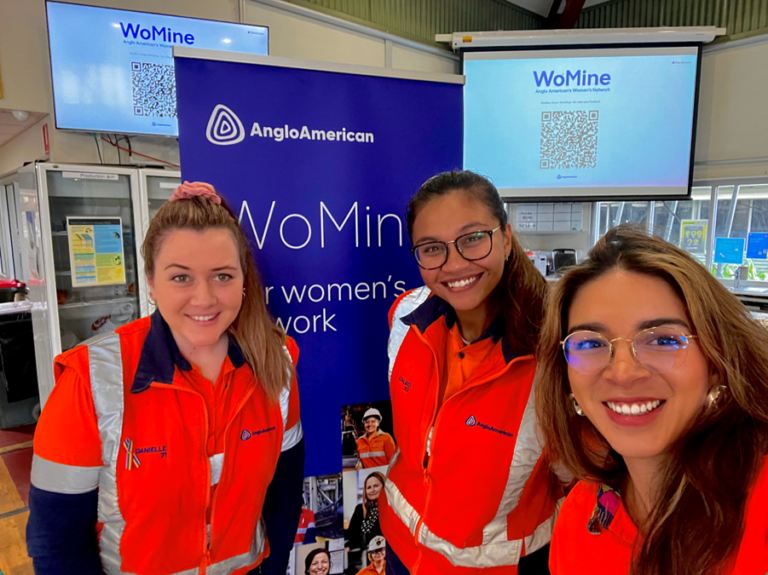
Alongside her technical career, Martha has invested significant time in building professional networks, particularly for migrant and diverse women in mining.
This work is grounded in a simple observation.
“People do not need all the answers — they need reassurance that their path is possible.”
Mentorship and representation play a critical role in this. A single conversation, or the presence of someone with a similar background in a leadership context, can reshape what an individual believes is possible.
“Being that reassurance for someone else has been one of the most rewarding parts of my career.”
The impact extends beyond individual confidence. It strengthens connection, increases retention, and broadens the range of perspectives contributing to the industry.
Leadership shaped by lived experience
Martha’s career has been shaped by multiple transitions — across countries, disciplines and professional environments. These experiences have informed how she approaches leadership.
“My lived experience has made me more empathetic, more systems-focused, and more intentional about building community.”
She also reinforces the broader value this brings to the industry.
“It has deepened my belief that diversity genuinely improves decision-making and resilience in our industry — not as an abstract principle, but as something I have seen play out in practice.”
In technical industries, lived experience is not always recognised as a source of capability. However, it informs how individuals assess risk, make decisions and engage with others.
What this means for the sector
Martha’s story illustrates how careers are shaped not only by individual capability, but by the systems and environments that surround them.
It highlights the importance of access to opportunity, the impact of workplace conditions on performance, and the role of visibility in shaping progression.
“Leadership is not just about personal advancement. It is about opening doors, amplifying voices and creating spaces where others feel confident to step forward.”
These are not abstract considerations. They influence workforce sustainability, leadership pipelines and the industry’s ability to respond to complex challenges.
We can be what we can see
Visibility remains a powerful driver of change. Its impact is strongest when it is supported by environments that enable individuals to contribute fully and progress with confidence.
Martha Jimenez’s career reflects what becomes possible when opportunity, capability and supportive conditions align.
“Our lived experiences are not side stories to our careers. They are the foundation of how we lead.”
Her story is not only a reflection of individual success. It is a reminder of the conditions required for others to follow.