Skip to content Skip to sidebar Skip to footer

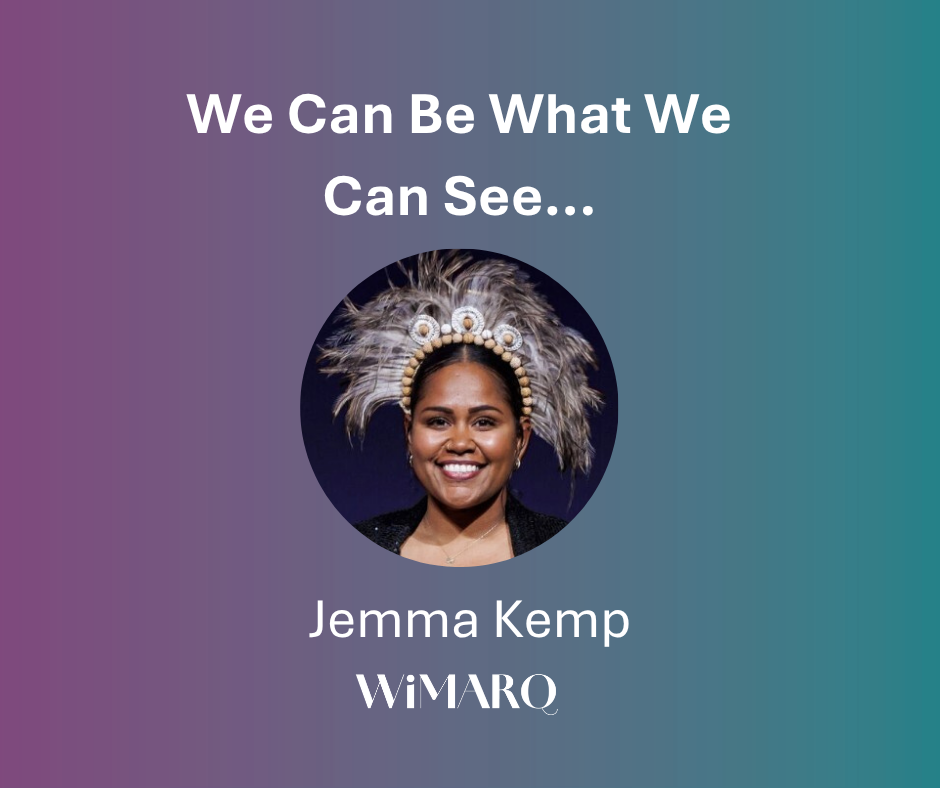
We Can Be What We Can See: Jemma Kemp

From IMAN Country to industry advocacy, and why cultural safety matters

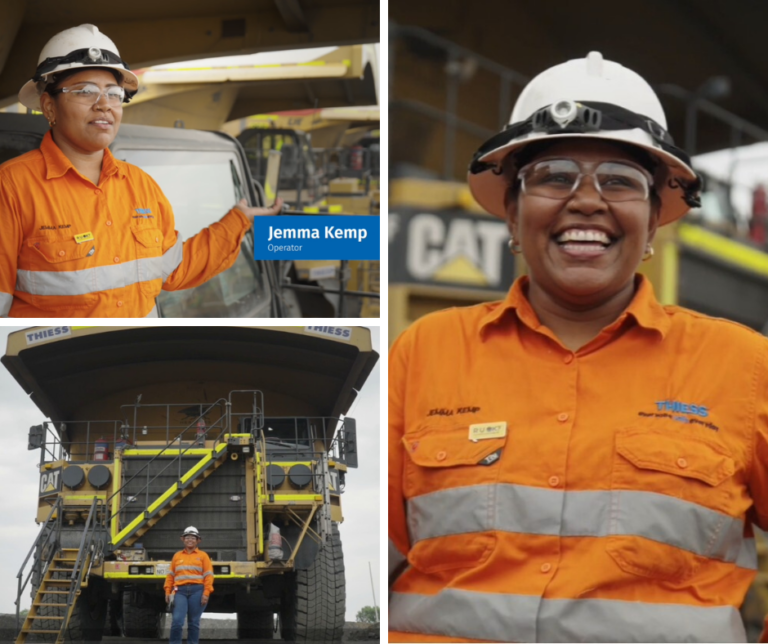
Jemma Kemp never imagined a career in mining and resources would shape the person she would become.

Growing up, she believed her future would likely be in childcare. Mining was not part of the plan. But in 2014, an opportunity through an initiative for Traditional Owners on IMAN Country in Central and Southern Queensland introduced her to a completely different world.

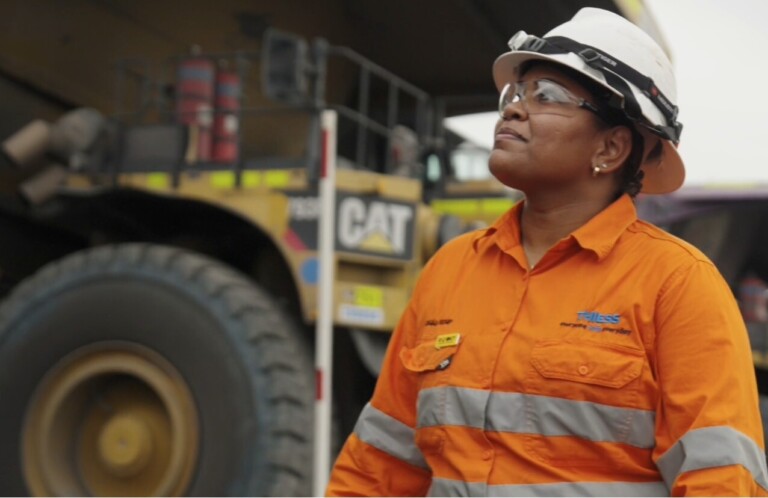
Working as a commercial cleaner on a gas mine site exposed her to an industry she had never previously considered, one defined by opportunity, challenge, financial independence and personal growth.

“I was exposed to a completely different world — big machinery, new opportunities, financial growth, and a lifestyle change that I genuinely enjoyed.”

It was during this time that a seemingly small moment planted the seed for something much bigger. Looking at a Franna crane onsite, Jemma remembers saying to a co-worker:

“I’d love to operate that big machinery one day — watch me get on one.”

“At the time, it felt ambitious. Looking back now, it became the beginning of a new vision for my future”.
 

The opportunity that changed everything

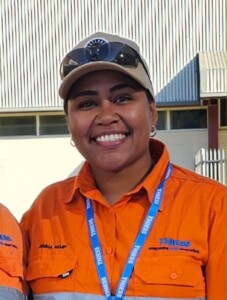
In November 2015, Jemma attended a site visit at Burton Coal Mine alongside 11 other Indigenous men and women. None of the group knew that only four traineeships would be offered that day.

Jemma was one of the successful applicants.

“That moment marked the beginning of my coal mining career.”

Like many people entering the resources sector, her pathway was not linear or expected. What brought her into the industry was not simply the traineeship itself.

 “My decision was to remain open-minded to step into an unfamiliar environment and back myself. Looking back, what truly brought me into the industry was giving myself permission to step into a new environment, remaining open to the possibilities, and embracing opportunities that encouraged me to dream bigger for my future.”

Finding purpose through advocacy and inclusion

As Jemma’s career evolved, so too did her sense of purpose.

In 2024, she joined her organisation’s Reconciliation Action Plan Working Group, contributing to initiatives focused on diversity, equity and inclusion, particularly around Indigenous workforce support and women in mining and resources.

That work would later lead to one of the proudest moments of her career.

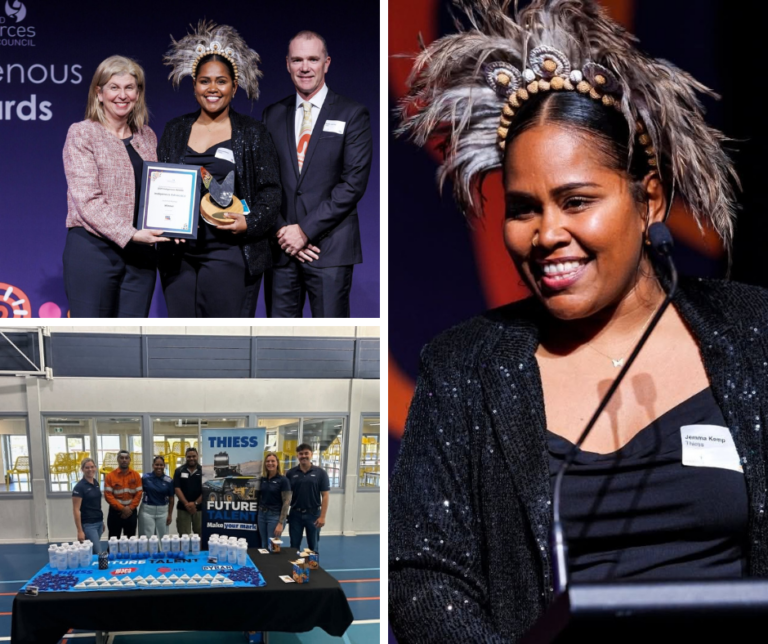
In 2025, Jemma was nominated by her Superintendent at Thiess for the Queensland Resources Council Indigenous Advocacy Award.

“Whilst I did not think I would win, I prepared my acceptance speech as though I had already achieved it. When my name was announced as the winner, it was a defining career moment ”.

Not simply because of the recognition itself, but because it reflected Jemma’s dedication, strengthening her resolve to drive greater awareness and advocacy.

“Since then, my work has become more aligned with my values and purpose — advocating for safety, psychological and cultural safety, cultural awareness, and greater inclusion across the industry is core to my mission.”
Psychological safety is more than a policy

For Jemma, psychological safety cannot exist as a corporate slogan or compliance exercise.

“It must be lived, demonstrated and felt by people every day. Creating a genuine sense of belonging — where people feel valued, supported, and part of a team working towards a shared goal.”

She speaks openly about the realities of the mining and resources sector — the challenges of working remotely in high pressure environments with long periods away from family and the importance of personal wellbeing and support.

“The mining and resource sector comes with a number of challenges, the isolation, cultural barriers for Indigenous and culturally diverse workers, and operating in complex safety critical environments can place a level of stress on an individual’s mental health and wellbeing.”

Her perspective challenges organisations to think beyond surface-level wellbeing initiatives.

“It’s more than simply completing a welfare check or wellbeing ‘tick a box’ session — it is about genuinely caring for the people around you. It means creating workplaces where people feel safe to speak up, they are meaningfully supported when they are struggling and respected for who they are.”

Why cultural safety and psychological safety are deeply connected

Jemma believes cultural safety is inseparable from psychological safety, particularly for Indigenous employees and people from diverse or intersectional backgrounds.

“Cultural safety is as important as psychological safety as the two are deeply connected. Cultural safety is the foundation by which we promote and support Indigenous Social and Emotional Wellbeing. This is fundamental to our health, safety, wellbeing and performance in workplaces and communities ”.

For many Indigenous people, wellbeing and healing are deeply tied to Country, kinship and community. Without cultural safety understanding, workplaces can unintentionally create environments where employees may feel isolated, misunderstood and at risk of harmful behaviours.

“A ‘one-size-fits-all’ approach to psychological safety does not always meet the needs of Indigenous and culturally diverse employees. Cultural safety is reflective of what safe and inclusive practice looks and feels like. It’s built on shared meaning, shared knowledge and shared respect without challenge or denial to ones lived experience and cultural identity. Its all-encompassing”.

Jemma believes meaningful inclusion requires more than good intentions. It requires education, awareness, culturally informed support systems, inclusive and respectful conversations, equitable opportunities and leaders willing to listen and learn from diverse perspectives.

“One of the most important things people can do is to remain open-minded with a genuine curiosity to learn new things, have a Growth Mindset. Diversity of thought and experience drives innovation and performance.  Otherwise, you don’t know what you don’t know and the opportunity to grow is limited.”

Her reflections reinforce an important truth for the sector: people are most capable of thriving when they feel safe and supported in bringing their whole selves to work. When we challenge ourselves to learn and lean onto new experiences; we create a pathway of growth and opportunities to harness.   

Choosing growth over comfort

When asked what advice she would give to younger people entering the industry, Jemma’s response is both empowering and deeply reflective.

“To always choose growth over familiarity and comfort. To back yourself, pursue the opportunities that challenge you, this is where real transformation occurs”.

She encourages people to not minimise their ambitions and be courageous in pursuit of their goals.

“Never stop dreaming big. Don’t play small or dim your light to make others feel comfortable. It’s imperative that you believe you deserve greater opportunities and claim your space.”

Her story demonstrates the power of believing in possibilities before evidence exists. From standing beside a crane imagining a different future, to becoming an award-winning advocate for inclusion and cultural safety, her career reflects what can happen when people are willing to step beyond what feels familiar.

We can be what we can see

Jemma Kemp’s story is one of courage, growth and advocacy.

It is an important reminder that representation matters across all roles and levels of leadership. For Indigenous women in the mining and resources sector representation has a powerful impact that cannot be underestimated.

“Greater representation in Leadership where decisions are made, provides an informed lens in creating meaningful and equitable reform. Visibility and diverse voices are powerful in expanding what we believe is possible in ourselves and others”.

Jemma’s journey also reinforces something equally important for the mining and resources sector: creating safer, more inclusive workplaces is not separate from operational success. It is fundamental to it.

When people feel valued, culturally safe, psychologically supported and genuinely included, they do not just participate in the industry, they help shape its future.

Leave a comment

Let's Connect

We invite you to come and talk to us at our events with any feedback or ideas for developing WIMARQ. We are also always happy to share experiences and assist you to find what you need to grow your career in mining and resources. To be put in touch with a committee member please message them via LinkedIn.

Host an Event
Join Our Community

Membership is free, and our doors are open to all. Whether you’re just starting your career, looking to advance, or want to support the next generation of women in resources. Be part of a movement that is shaping the future of our industry.

    Region*

    We acknowledge the First Nations peoples as the Traditional Custodians of this land. We honour and respect their enduring connection to Country, culture, and community, and we value the rich contributions they continue to make to Australian society.

    Sign up to our Newsletter

    © 2018-2025 Women in Mining & Resources Queensland | Website by Ironbark Marketing